SELLER GUIDE



Sign NDA to view
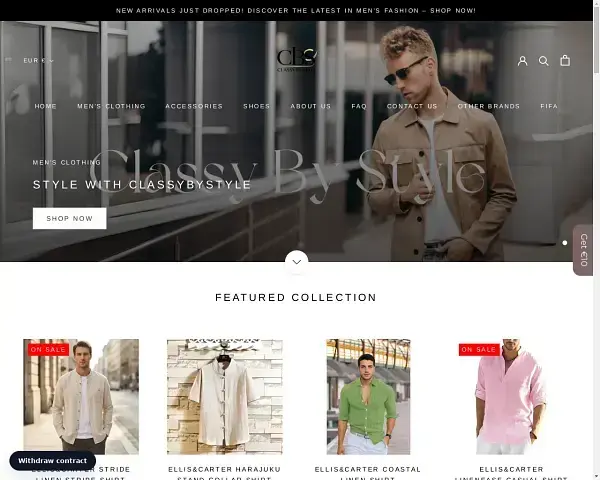
FBA Storefront | Design and Style
USD $111,139
USD $27,959
 Reduced 75%
Create your account to view detailed information, including traffic, financials and seller notes
Already have an account? Sign In
Sign NDA to view
FBA Storefront | Design and Style
USD $111,139
USD $27,959
Reduced 75%


Vetted + Data Verified Listing
This quality listing has been vetted by the Flippa team or the broker to ensure accuracy of the information provided.
Our vetting team has reviewed this listing and verified:
- Revenue
- Primary Expenses
- Traffic
The seller has also connected the following data integrations:
-
 Google Analytics
-
 Shopify

Verification Complete
3 transactions totalling USD $349,483
Payment Methods




Buying Advice
Flippa’s platform is free for buyers. Here are our tips for first-time buyers:
Before making an offer
1. Look for verified sellers. Sellers should verify their email, phone, and government ID. When a seller has completed all verifications, we identify them with a checkmark like this:

2. Review financials. Financials are seller-provided inputs. Always ask for verified financials. Ask for a tax return or request access to their dashboard. if it’s an ecommerce store get a transaction report.
3. Review traffic. Sellers can grant you access to Google Analytics. Ask for read-only access to verify site traffic.
4. Schedule a call. Communication is key. The best way to find out more is to speak directly with the seller. For your protection, keep all communication within Flippa.
5. Make the offer on Flippa. We’re here to help. Flippa does not charge buyers and by making an offer on Flippa you’ll get access to our post-sales support team.
Need help?
Contact Support
After a successful offer
1. Agreements & Contracts. Connect with a US-based lawyer or purchase asset-specific template legal documents via Flippa Legal.
2. Conduct Due Diligence. You can conduct this yourself or use our trusted network of industry-leading due diligence partners. They can provide in-depth analysis, identify hidden risks, and independently assess the value of the business. Learn More
Need help?
Contact Support
For more buyer tips read our guide on how to buy an Online Business.
We provide a suite of services to help you
Legal
Verification & Assessment
Financing
Community Watch
Does this listing violate the Flippa Terms and Conditions?
If so, anonymously report it here.