GUIDE DU VENDEUR

.JPG)
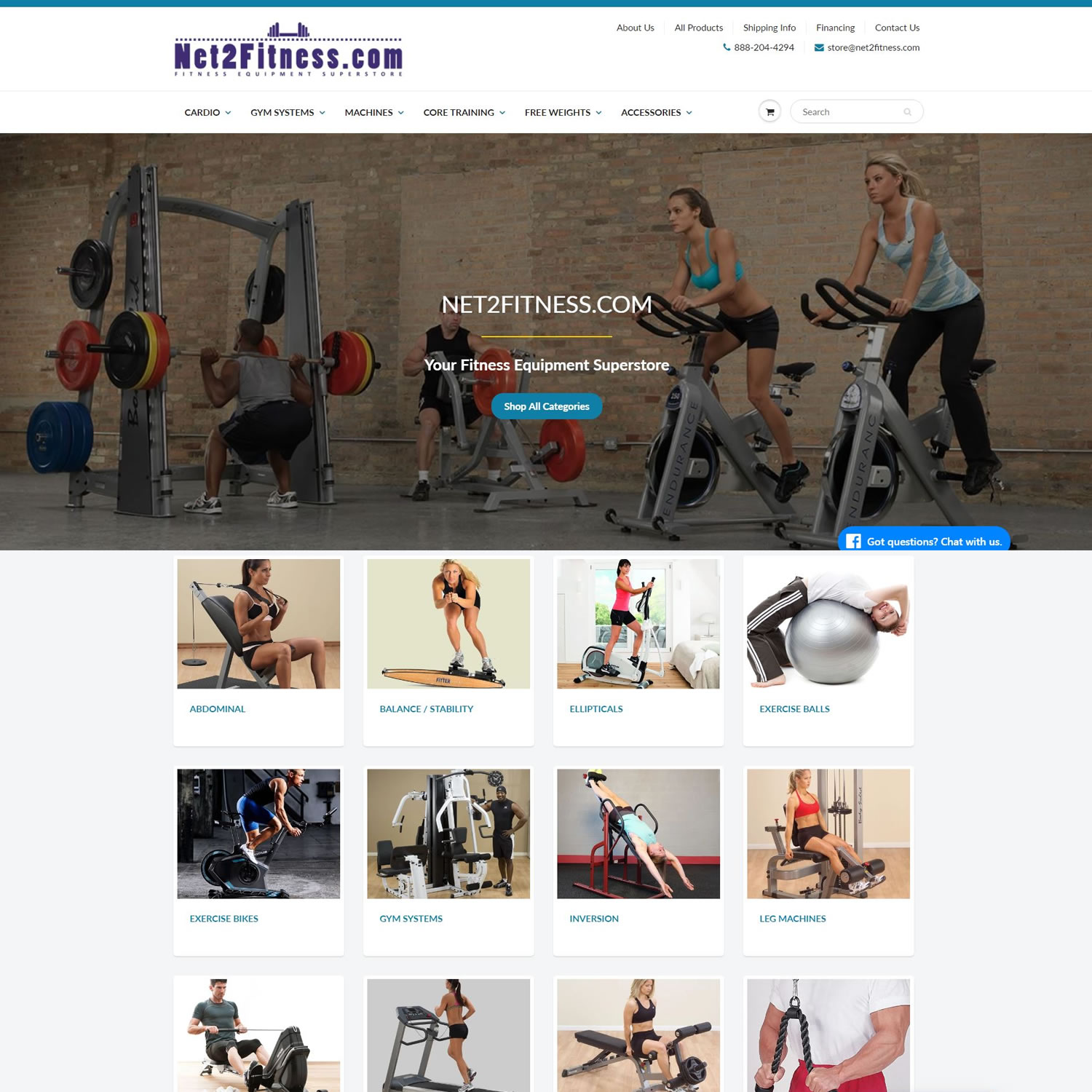
net2fitness.com
Contactez Flippa pour connaître le prix
Créez votre compte pour consulter des informations détaillées, notamment le trafic, les données financières et les notes du vendeur.
Vous avez déjà un compte ? Se connecter
net2fitness.com
Contactez Flippa pour connaître le prix


Vérification du vendeur
100.0% d'avis positifs
1 transaction totalisant 22 000 $ USD
Modes de Paiement
Conseils d'Achat
La plateforme Flippa est gratuite pour les acheteurs. Voici nos conseils pour les nouveaux acheteurs :
Avant de faire une offre
1. Recherchez des vendeurs vérifiés. Les vendeurs doivent vérifier leur adresse e-mail, leur numéro de téléphone et leur pièce d'identité officielle. Une fois toutes les vérifications effectuées, nous affichons une coche comme celle-ci :

2. Examiner les données financières. Les informations financières sont fournies par le vendeur. Demandez toujours des données financières vérifiées. Exigez une déclaration de revenus ou un accès à leur tableau de bord. S'il s'agit d'une boutique en ligne, demandez un relevé de transactions.
3. Analyser le trafic. Les vendeurs peuvent vous accorder l'accès à Google Analytics. Demandez un accès en lecture seule pour vérifier le trafic du site.
4. Planifiez un appel. La communication est essentielle. Le meilleur moyen d'en savoir plus est de parler directement avec le vendeur. Pour votre protection, veuillez communiquer exclusivement via Flippa.
5. Faites votre offre sur Flippa. Nous sommes là pour vous aider. Flippa est gratuit pour les acheteurs et, en faisant une offre sur Flippa, vous bénéficierez de l'assistance de notre équipe après-vente.
Besoin d'aide ?
Contacter l'Assistance
Après une offre réussie
1. Accords et contrats. Contactez un avocat basé aux États-Unis ou achetez des modèles de documents juridiques spécifiques à vos actifs via Flippa Legal .
2. Procéder à une vérification préalable. Vous pouvez effectuer cette démarche vous-même ou faire appel à notre réseau de partenaires de confiance, leaders dans leur domaine, spécialisés dans les vérifications préalables. Ils peuvent fournir une analyse approfondie, identifier les risques cachés et évaluer la valeur de l'entreprise de manière indépendante. Apprendre Encore Plus
Besoin d'aide ?
Contacter l'Assistance
Pour plus de conseils aux acheteurs, consultez notre guide sur l'achat d'une entreprise de commerce électronique .
Nous proposons une gamme de services pour vous aider.
Légal
Vérification et Évaluation
Financement
Surveillance Communautaire
Cette annonce enfreint-elle la loi ? Conditions Générales de Flippa?
Si oui, anonymement Signalez-le ici.Vendre
Flippa
Communauté
Fonctionnalités
Services
Catégories
© 2026 Flippa.com Pty Ltd. Tous droits réservés.