GUÍA DEL VENDEDOR

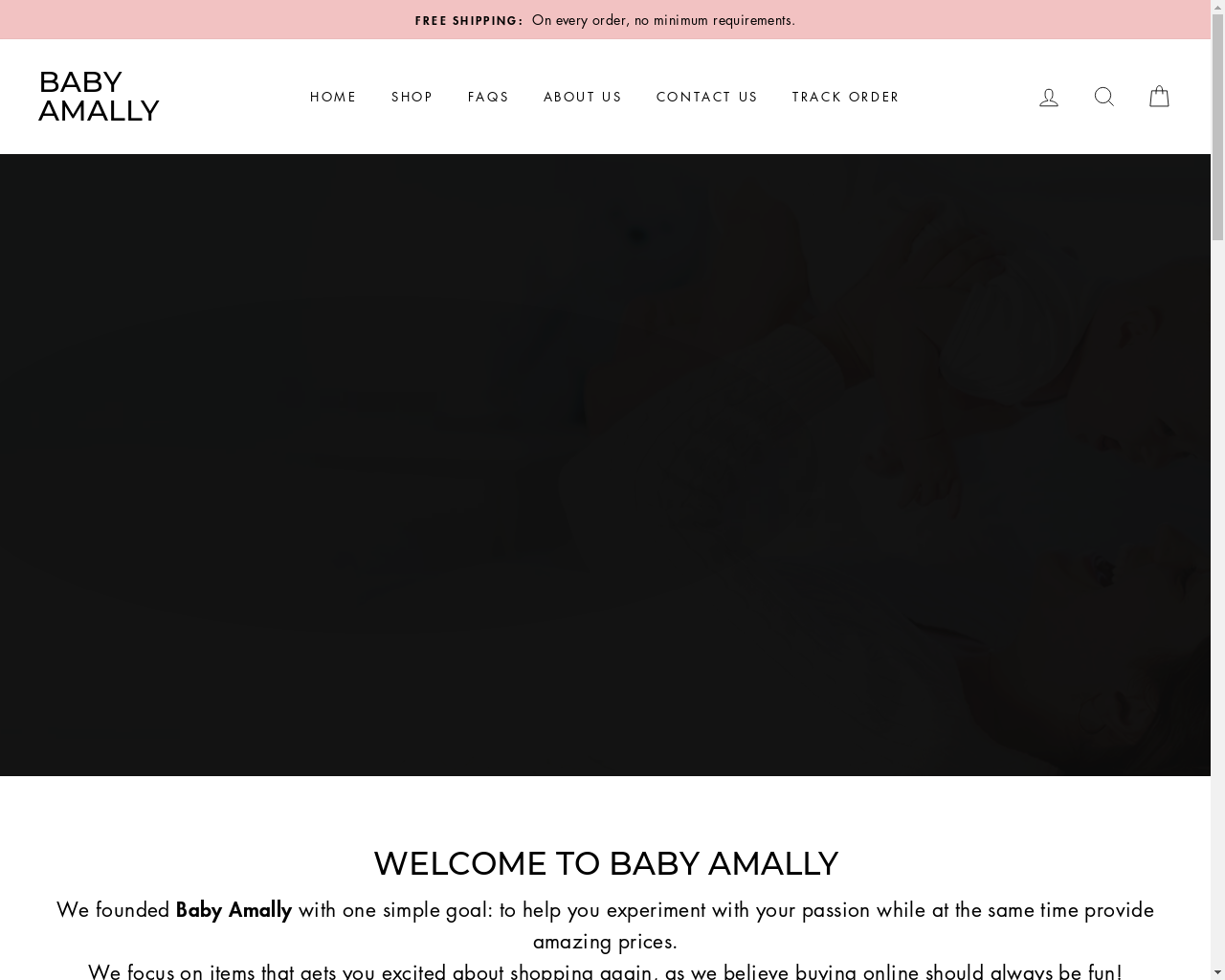
babyamallyloves.com
USD $5,000
Crea tu cuenta para ver información detallada, incluidos tráfico, finanzas y notas del vendedor
¿Ya tienes una cuenta? Iniciar sesión
babyamallyloves.com
USD $5,000


Verificación del vendedor
Métodos de Pago
Consejos de Compra
La plataforma de Flippa es gratuita para los compradores. Aquí están nuestros consejos para compradores primerizos:
Antes de hacer una oferta
1. Busque vendedores verificados. Los vendedores deben verificar su correo electrónico, teléfono e documento de identidad. Cuando un vendedor ha completado todas las verificaciones, los identificamos con una marca de verificación como esta:

2. Revisar las finanzas. Los datos financieros son aportaciones proporcionadas por el vendedor. Siempre solicita estados financieros verificados. Pide una declaración de impuestos o solicita acceso a su tablero. Si es una tienda de comercio electrónico, obtén un informe de transacciones.
3. Revisar el tráfico. Los vendedores pueden concederte acceso a Google Analytics. Solicita acceso de solo lectura para verificar el tráfico del sitio.
4. Programa una llamada. La comunicación es clave. La mejor manera de obtener más información es hablar directamente con el vendedor. Para su protección, mantenga toda la comunicación dentro de Flippa.
5. Haz la oferta en Flippa. Estamos aquí para ayudar. Flippa no cobra a los compradores y al hacer una oferta en Flippa obtendrás acceso a nuestro equipo de soporte postventa.
¿Necesita ayuda?
Contactar Soporte
Después de una oferta exitosa
1. Acuerdos y Contratos. Conéctese con un abogado con base en EE.UU. o compre documentos legales plantilla específicos para activos a través de Flippa Legal.
2. Realizar la debida diligencia. Puede realizar esto usted mismo o recurrir a nuestra red de socios de confianza, líderes en el sector, especializados en la debida diligencia. Ellos pueden proporcionar análisis exhaustivos, identificar riesgos ocultos y evaluar de forma independiente el valor de la empresa. Aprende más
¿Necesita ayuda?
Contactar Soporte
Para más consejos para compradores, lee nuestra guía sobre cómo comprar un negocio de comercio electrónico.
Ofrecemos una gama de servicios para ayudarte
Legal
Verificación y Evaluación
Financiación
Vigilancia Comunitaria
¿Este anuncio infringe la Términos y Condiciones de Flippa?
Si es así, de forma anónima infórmalo aquí.Vender
Flippa
Comunidad
Características
Servicios
Categorías
© 2026 Flippa.com Pty Ltd. Todos los derechos reservados.