Top Picks for Profit: The Best Items to Dropship in 2025


Blog


 The Exit Podcast
In recent years, the e-commerce landscape has witnessed remarkable growth, driven by technological advancements and changing consumer behaviors. Many e-commerce business models have emerged, but dropshipping stands out as one of the most popular and lucrative options.
Dropshipping appeals to entrepreneurs because it has a low barrier to entry and minimal upfront investment. This model allows entrepreneurs to sell products without holding inventory, instead relying on suppliers to handle storage and shipping. This has made it an attractive choice for those looking to start an e-commerce business with limited resources.
However, the key to success in dropshipping hinges significantly on selecting the right products to sell. Only by identifying high-demand items with healthy profit margins can businesses maintain a competitive edge and ensure sustainable growth.

Dropshipping is a lot more competitive than it was in the early 2010s, which has led many to question its viability in 2025. Despite increased competition and evolving consumer behaviors, dropshippers can succeed if they play their cards right. This includes:
By implementing these strategies and remaining agile in response to market changes, one can build a profitable dropshipping business in 2025. The key lies in offering unique value propositions and staying attuned to consumer needs and preferences.
Successful dropshippers don’t just sell random products. They only list a product on their online store after careful consideration and research, and so should you. Here are the key things you need to do to identify profitable products for your dropshipping business.
Understanding market demand is the first step in choosing the right dropshipping products. Conduct thorough research on current market trends, customer preferences, and demand indicators.
Use tools like Google Trends and social media listening platforms to gauge what products are currently in demand. Analyze search volume data for product-related keywords and monitor bestseller lists on major e-commerce platforms. Engaging with your target audience through surveys or social media can also provide valuable insights into their interests and needs.
Assessing your competitors’ strategies helps you find ways to differentiate your offerings. Start by identifying top sellers in your niche and analyzing their product selection. Examine their pricing strategies and look for opportunities to offer better value.
Additionally, look for gaps in the market that your competitors might be overlooking, as these can present unique opportunities for your business.
Evaluate the cost structure of potential products and calculate probable profit margins by considering product costs, shipping fees, and platform fees. Don’t forget to factor in marketing costs and other operational expenses when assessing overall profitability.
Look for products with higher perceived value that allow for better markup, and consider the potential for upsells or cross-sells to increase average order value. Additionally, consider the scalability potential of the products – those that can be sold in large volumes without significant increases in overhead costs can make your dropshipping business profitable in the long run.
Before making significant investments, it’s wise to test the viability of potential dropshipping products. Implement market testing strategies, such as small-scale product launches or pilot programs, to validate demand and assess the performance of the products.
Gathering feedback from customers during these tests can provide valuable insights into the products’ market fit and help you make informed decisions. Be prepared to pivot quickly based on the results of your product testing.
Now that you have all the necessary information, it’s time to get to the nitty-gritty
From innovative skincare solutions to trending makeup products, beauty items consistently attract customers looking to enhance their personal care routines. This product category appeals to a broad consumer base with the beauty industry as a whole being projected to reach $270 million in revenue by 2030.
Dropshippers can capitalize on this market by offering niche products, natural and organic options, or trending formulations that address specific skin concerns.
With the pet industry experiencing significant growth, there’s an increasing demand for pet accessories, food, and grooming products. Pet owners are willing to invest in high-quality items for their furry companions, making this a lucrative market for dropshippers.
Dropshippers can tap into this market by offering unique pet gadgets, eco-friendly pet supplies, or specialized nutrition products. The emotional connection people have with their pets often translates to higher spending, making this a potentially lucrative niche.
Clothing and fashion accessories are always in demand, with consumers constantly seeking stylish and trendy items. To succeed in this category, you need to stay updated with seasonal trends and offer unique, stylish products that stand out from mass-market offerings.
Focus on niche markets like sustainable fashion, plus-size clothing, or specialized accessories to differentiate your offerings and attract dedicated customer bases.
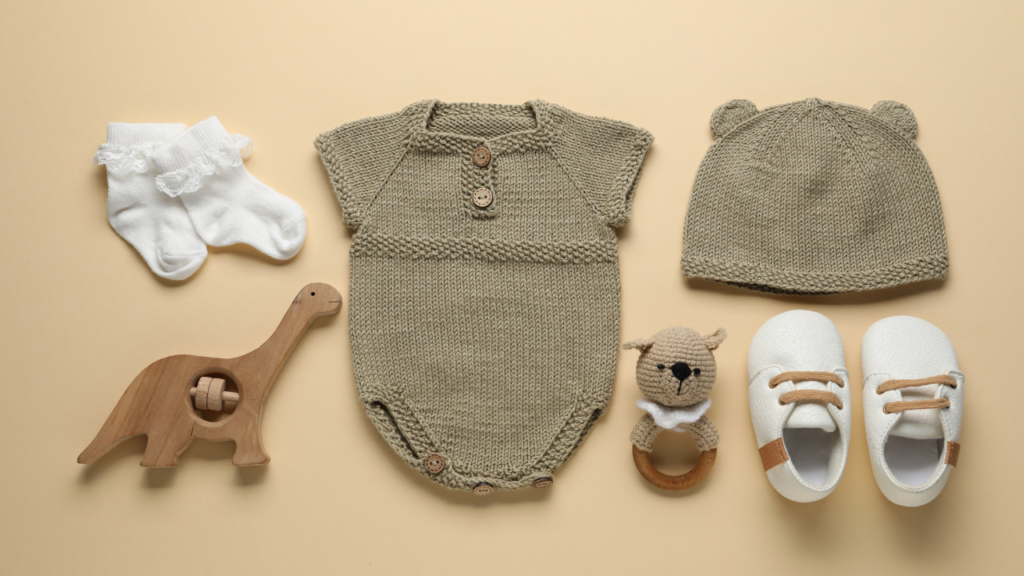
New parents are constantly on the lookout for innovative products to make their lives easier, making this a reliable market for dropshippers. From innovative baby gear and feeding accessories to eco-friendly diapers and educational toys, there’s a wide range of products to explore.
Emphasize safety, convenience, and practicality when selecting items for this category, as parents are often willing to invest in quality products for their children.
With the rise of remote work and home office setups, office supplies have gained renewed importance. This category encompasses a diverse range of products, from traditional stationery to tech accessories for professionals and students. To appeal to the modern workforce, consider offering ergonomic office furniture, productivity-enhancing gadgets, or aesthetically pleasing desk organizers.
Home decor products have enduring appeal, driven by interior design trends and consumers’ desire to enhance their living spaces. You can offer unique and customizable items that enhance living spaces, such as wall art, decorative lighting, or handcrafted textiles.
Stay attuned to emerging design trends and consider offering products that align with popular aesthetics like minimalism, bohemian, or industrial styles.
DIY enthusiasts and homeowners drive the demand for quality tools and home improvement products. When selecting items in this category, prioritize quality, durability, and functionality.
Consider offering specialized tools for niche markets, innovative gadgets that simplify home repairs, or eco-friendly alternatives to traditional tools. Providing detailed product information and how-to guides can add value and attract customers in this category.
The ubiquity of smartphones has created a complementary market for accessories such as cases, chargers, and screen protectors. As a dropshipper, you can capitalize on consumers’ desire to personalize and protect their devices by offering unique, stylish, or highly functional accessories.
To stand out in this competitive market, look for innovative products that solve common smartphone-related problems or enhance the user experience.
The growing interest in health and fitness, particularly amid global health concerns, has boosted demand for home gym equipment, workout accessories, and wellness products. You can capitalize on this trend by offering compact fitness gear for home use, wearable fitness technology, or specialized equipment for trending workout styles.
The thriving gaming industry presents numerous opportunities for dropshippers to cater to the diverse interests of gamers worldwide. From gaming accessories and consoles to merchandise inspired by popular games, this category offers a wide range of products to explore.
Stay informed about upcoming game releases and gaming trends to offer timely and relevant products that resonate with gaming enthusiasts.
Increasing consumer consciousness towards sustainability and eco-friendly living has created a demand for green alternatives across various product categories. Dropshippers can contribute to a greener future by offering sustainable versions of everyday items, from reusable household products to eco-friendly fashion and beauty items. Emphasize the environmental benefits and quality of these products to appeal to environmentally conscious consumers.
Besides market demand and profitability, factors like quality, pricing, turnover rate, and originality also affect the viability of dropshipping products. Here’s how these characteristics contribute to the success of dropshipping products.
Quality products lead to positive customer experiences, which in turn generate favorable reviews and encourage repeat purchases. When sourcing products, thoroughly vet your suppliers and request samples to assess the quality firsthand.
Remember that in e-commerce, where customers can’t physically inspect items before buying, the quality of your products directly reflects on your brand’s reputation. Consistently delivering quality items will help you build a loyal customer base and reduce returns, ultimately contributing to your business’s growth and profitability.
A good dropshipping product should allow you to price it attractively for customers while still leaving room for a reasonable profit. When determining your pricing strategy, consider the total cost, including product cost, shipping fees, and platform charges.
Look for products with a higher perceived value that allows for better markups. Keep in mind that while competitive pricing can attract customers, extremely low prices might raise suspicions about product quality.
Low-turnover items typically have more stable demand patterns, making it easier to maintain consistent stock levels with your suppliers. This stability can lead to smoother operations and better customer satisfaction due to fewer out-of-stock situations.
However, be cautious of products with extremely low turnover, as they might indicate a lack of demand. The goal is to find a balance – products that sell steadily without requiring constant restocking or risking obsolescence.
Original products capture consumer interest more effectively and can help you build a distinctive brand identity. Look for items that solve everyday problems in novel ways, cater to niche interests, or offer a fresh take on popular product categories.
Unique products often face less direct competition, allowing for better profit margins and reducing the likelihood of price wars with competitors. Additionally, original products are more likely to generate word-of-mouth marketing and social media buzz, potentially lowering your customer acquisition costs.
Some product categories aren’t just unprofitable – they actually pose challenges that can damage your brand and hinder your business’s growth. Ideally, you should steer clear of products with the following characteristics:
The best way to avoid these pitfalls is to conduct thorough market research and carefully consider the viability of each product before adding it to your dropshipping store. If possible, test products on a small scale before making them a major part of your dropshipping business.
The e-commerce industry is highly competitive, so you can’t afford to ignore marketing if you want to drive traffic, generate sales, and build brand awareness. Fortunately, there’s a wide range of effective digital marketing strategies you can leverage to reach your target audiences and maximize the success of your dropshipping businesses. Here are some marketing channels to consider:
Social media platforms offer powerful advertising tools that enable dropshippers to reach a broad and engaged audience. Platforms like Facebook, Instagram, and TikTok allow you to create targeted ad campaigns based on demographics, interests, and behaviors.
Utilizing social media advertising is a great way to drive traffic to your online store, increase brand visibility, and convert visitors into customers.
By partnering with influencers who match your brand values and target audience, you can leverage their credibility and reach to promote your products authentically. This approach can significantly boost brand visibility and drive sales, especially when working with micro-influencers who often have highly engaged niche audiences.
Optimizing your website for search engines is one of the best ways to improve its visibility and attract organic traffic. Conduct keyword research to identify terms your target audience is searching for and incorporate them into your product pages, blog posts, and meta tags. Additionally, investing in high-authority backlinks, enhancing user experience, and optimizing your e-commerce site for mobile can help you rank higher in search results.
Email marketing is a cost-effective way to nurture relationships with your customers and keep them engaged with your brand. Building an email list allows you to send personalized offers, product updates, and promotional content directly to your audience.
Additionally, automated campaigns, such as abandoned cart reminders and welcome series, can help recover lost sales and enhance customer retention.
Expanding your dropshipping product range is a natural part of growth, but it requires careful consideration and strategic planning. The frequency of expansion should be balanced against various factors to ensure sustainable growth and profitability. Here are the key things to look at.
While regular expansion is important to attract new customers and keep your existing base engaged, it’s equally crucial to carefully evaluate each new product’s viability. Introducing too many new products without proper research and testing can lead to inventory management issues and financial strain.
A good rule of thumb is to aim for a balance between consistency and growth. Many successful dropshippers find that adding new products on a monthly or quarterly basis allows them to stay current while giving them sufficient time to properly research and test new items.
Here’s a suggested approach to product expansion:
Remember that quality should always take precedence over quantity. It’s better to have a carefully curated selection of high-performing products than a vast array of mediocre offerings.
Lastly, listen to your customers. Their feedback, questions, and requests can provide valuable insights into potential product expansions that align with their needs and interests.
It’s clear that dropshipping is still worth it in 2025, but the key to thriving in dropshipping lies in thoughtful product selection. By conducting diligent research and focusing on high-quality, unique items that resonate with your target audience and offer healthy profit margins, you can differentiate your store in a crowded market.
Additionally, effective marketing strategies are crucial for driving traffic and generating sales in your dropshipping business. Leverage a mix of digital marketing channels, including social media advertising, influencer partnerships, SEO, and email marketing, to reach and engage your target audience.
Finally, don’t forget that the e-commerce landscape is constantly evolving. Stay informed about industry developments and be ready to pivot your strategy when necessary.
Finding profitable dropshipping niches involves thorough market research and analysis. Start by exploring trending products on platforms like Google Trends, social media, and e-commerce marketplaces. Look for gaps in the market where demand is high but competition is relatively low.
To find the best-selling dropshipping products, check e-commerce platforms’ best-seller lists, such as Amazon’s Best Sellers, eBay’s Trending, and AliExpress’s Hot Products. Analyzing customer reviews and ratings can provide insights into popular items and emerging trends. Social media platforms, especially Pinterest and Instagram, are also valuable sources for discovering trending products.
Yes, seasonal trends play a significant role in dropshipping. Products related to holidays, festivals, and specific times of the year – such as Christmas decorations, summer apparel, or back-to-school supplies – experience peak demand during certain periods. Understanding these trends and planning your product offerings accordingly can help you capitalize on high-demand seasons.
Go for products with sufficient market demand, low competition, and high potential profit margins. Additionally, focus on unique, high-quality products that can help set your dropping shipping business apart. Finally, pick products that are easy and inexpensive to ship while steering clear of legally restricted products.
For beginners, it’s often best to start with products that are easy to understand and market, have moderate competition, and offer decent profit margins. Avoid products that are overly fragile or prone to damage during shipping.
Some examples include phone accessories, pet supplies, fitness accessories, home decor items, and basic beauty products. Remember to conduct your own research and validate product ideas before committing to them.
Yes, many dropshipping items have low shipping costs due to their small size and lightweight nature. Some examples include small accessories like jewelry, keychains, phone cases, lightweight clothing items like t-shirts, socks, scarves, digital products, and stationery such as notebooks, pens, and small desk organizers.
When sourcing products, always compare shipping costs from different suppliers and consider offering free shipping by incorporating the cost into the product price.
Yes, there are restrictions on dropshipping certain items due to legal, ethical, or logistical reasons. Examples of restricted items include:
Before listing any product, ensure it complies with the legal requirements and platform policies to avoid potential legal complications and account suspensions.

Hear from business owners and entrepreneurs who have bought and sold online businesses on Flippa.

Search our knowledge base for answers to common questions.