SaaS Marketing Strategies That Actually Work in 2025


Blog


 The Exit Podcast
SaaS marketing isn’t like marketing a physical product or traditional software. You’re offering something that users can’t touch, and they can walk away at any time. That means your biggest challenge is building trust fast and showing value early.
The entire model depends on retention and recurring revenue. Getting someone to sign up is just the beginning. You also need to keep them happy month after month. This makes the marketing approach more about long-term relationships than short-term sales.
SaaS is more consumer-facing than other cloud service models like IaaS or PaaS. People use your software directly through a browser or app, often without setup or installation. Your marketing should reflect that accessibility by making the value obvious right from the start.
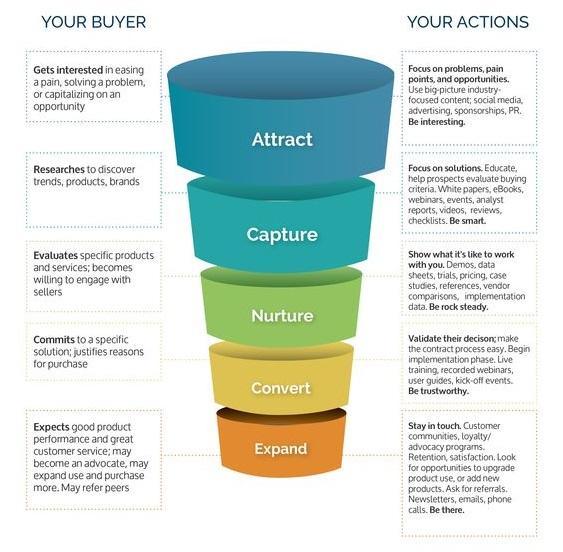
Creating a solid SaaS marketing strategy means thinking through the full customer journey. From the first click to the tenth renewal, every stage matters.
At the top of the funnel, the goal is to attract attention and bring potential customers into your world. This is where blog content, search engine visibility, and social media come into play. You’re not trying to sell right away. You’re showing up where your audience spends time and giving them something useful.
Lead magnets like webinars, checklists, or templates are a great way to offer value and collect email addresses. Even simple how-to blog posts can help, as long as they solve a real problem for your target user.
Brand awareness also includes showing up on the right platforms. If you’re B2B, think LinkedIn, SaaS review sites, and industry newsletters. If you’re targeting creators or solo entrepreneurs, consider channels like YouTube or Twitter.
Once someone signs up for a free trial or freemium version, your next job is to help them succeed with your product as quickly as possible. This is where activation happens. The faster they reach a meaningful result, the more likely they are to stick around.
Good onboarding can include in-app prompts, a short product tour, or a welcome email sequence. What matters most is making sure the user doesn’t feel lost. Even a quick video that explains how to get started can make a huge difference.
Your activation strategy should be based on one core question: what action proves that the user is getting value? For a calendar tool, that might be setting up their first event. For a marketing platform, it could be sending the first email campaign. Whatever it is, make it easy to reach.

Getting someone to pay is a win, but keeping them around is where you really grow. That’s why retention should be built into your marketing plan from day one.
Retention starts with helping users get the most out of your product. This might involve product update emails, helpful tips, or inviting them to webinars. It’s also smart to check in regularly, especially if a user seems inactive or if their renewal date is coming up.
You can also look for moments when it makes sense to expand the relationship. Maybe a customer has hit usage limits or added more team members. These are good opportunities to offer a plan upgrade or additional features.
Keeping your current customers engaged is often more effective than chasing new ones. Plus, happy users are more likely to refer others.
Now that you have the foundation, it’s time to look at the marketing channels that can help scale your SaaS business.
Content marketing is a natural fit for SaaS because it helps people discover your product while solving their problems. Blog posts, how-to guides, videos, and case studies can all help potential customers understand what you offer and why it matters.
Your goal with content isn’t just to explain features. It’s to show outcomes. What does your software help people do better, faster, or easier?
Search engine optimization is a big part of this. Use tools like Ahrefs or Google Keyword Planner to find out what people are searching for, then create content around those topics. If someone is looking for “best invoicing tool for freelancers,” and your product fits that need, your blog post should be the one they find.
Once you’ve created great content, don’t let it sit idle. Break it into smaller pieces for social media, turn key stats into visuals, or use parts of it in email sequences.
Email continues to be one of the most effective SaaS marketing tools. The key is to send the right message at the right time.
Start with a strong welcome email. This is your chance to set expectations, introduce key features, and help new users feel confident about their next steps. From there, you can build sequences based on behavior.
For example, if someone signed up but didn’t activate their account, send a reminder with a quick-start video. If they’ve been active for a week, send an email highlighting advanced features or shortcuts.
Segmenting your list is important. Different users need different messages. A first-time trial user shouldn’t get the same email as a long-time customer. Tailoring your sequences to lifecycle stages helps keep your emails relevant and effective.
You don’t need to overcomplicate things. A handful of well-written, helpful emails can do more than a flood of generic ones.
A well-crafted newsletter keeps your brand top of mind while offering real value to your audience. Unlike automated email sequences, newsletters are great for sharing updates, insights, or tips on a consistent schedule.
Use your newsletter to build trust and deliver helpful content like product news, customer stories, blog highlights, or practical advice. Keep your language friendly and approachable. You want readers to feel like they’re hearing from someone they know, not a corporate script.
Design also matters. Make sure your emails look good on both desktop and mobile. Use simple visuals, branded elements, and one clear CTA per email.
Staying consistent helps. Whether you send once a month or every two weeks, the goal is to build a rhythm your audience can rely on. Done right, your newsletter can become one of your most effective low-cost SaaS marketing tools.
A strong user community does more than reduce churn; it turns customers into advocates. Communities help users get more out of your product, share experiences, and feel like they’re part of something bigger.
Your community could live in a Slack workspace, a Facebook group, or even a built-in forum on your site. The format is flexible, but the mission is the same: to support, educate, and engage.
Encourage participation through live events, product Q&As, or discussion threads. You can also share behind-the-scenes content or highlight user stories. Over time, your community becomes a source of feedback, referrals, and valuable insights for your product and marketing teams.
Communities like HubSpot’s show how effective this strategy can be. They build loyalty while keeping users engaged far beyond the initial sale.
Pricing isn’t just a product decision; it’s a marketing tool. The right SaaS pricing strategy can improve conversions, increase upgrades, and help position your brand in a crowded market.
Start by testing different approaches: free trials, freemium plans, usage-based pricing, or tiered packages. Psychological pricing (like $19 instead of $20) can also help reduce friction.
You don’t need to guess. Run small tests, look at user behavior, and collect feedback. If users drop off after a trial, is it price-related? Are they confused by the plans? Use what you learn to adjust.
Keep your pricing page clean and easy to understand. Add a comparison table, list key features clearly, and avoid surprises. A confusing or crowded pricing page can undo all your marketing work at the last moment.
Also Read: SaaS Valuation Multiples in 2025
Your website is often where the decision happens. A clean design and clear messaging can be the difference between a bounce and a sign-up.
To improve conversion rates, make your value proposition obvious within seconds. Use clear CTAs, simplified pricing comparisons, and offer a visible way to try the product, book a demo, or ask questions.
Pop-ups or chat tools can help users at the right time, especially if they’re about to leave. A quick offer or resource suggestion might be what keeps them on the page.
Test small changes. Use tools like Hotjar or Google Optimize to track behavior, run A/B tests, and see what works best. Even small layout updates can lead to better results.
SaaS SEO starts with keyword research, but it doesn’t end there. You need a content plan that targets different parts of the buyer journey, from early-stage awareness to product comparisons and user intent keywords.
Look for questions your audience is already asking and build helpful content that answers them. Target bottom-of-funnel keywords like “best CRM for agencies” alongside top-of-funnel ones like “how to manage client relationships.”
Check what your competitors rank for, which pages get the most traffic, and where they’re earning backlinks. This helps you spot content gaps and keyword opportunities.
Use tools like Ahrefs, SEMrush, or Ubersuggest to plan your SEO content. And don’t forget to optimize your technical SEO: fast loading times, mobile usability, and good site structure make a big difference.
Creating great content takes time, so you want to make the most of it. Repurposing lets you adapt one idea into many formats that reach more people.
For example, turn a long blog post into a Twitter thread, a short LinkedIn post, or a YouTube video. Pull quotes or stats into visuals for Instagram or carousels. You can even record a podcast episode expanding on a blog topic.
Use content syndication platforms like Medium to repost your best-performing pieces and earn extra backlinks. To help with SEO, make sure you link back to the original.
This approach saves time, builds consistency, and keeps your content pipeline full without constantly starting from scratch.
Customer support isn’t just about solving problems, it’s a key part of the SaaS user experience and a major factor in churn reduction.
Make it easy for users to get help through live chat, an FAQ center, or in-app messaging. Proactive support, such as onboarding emails or feature tips, can prevent frustration and increase engagement.
Gather feedback regularly through surveys or support follow-ups. These insights help shape future updates and show customers that you’re listening.
Support teams should be trained on your product and brand tone and messaging. A good experience here can turn a one-time user into a loyal advocate.
There’s no one perfect way to market a SaaS product. Your strategy will depend on your stage, your customers, and your product’s value. What matters is that you’re consistently solving problems, delivering value, and testing what works.
Pick a few channels to start with. Build helpful content, send thoughtful emails, and support your users like they matter, because they do. Use data to refine your efforts, and let your marketing evolve as your business grows.
With the right strategy, you can attract better leads, increase conversions, and turn happy users into long-term customers.
A SaaS marketing strategy is a plan to attract, convert, and retain users for your software-as-a-service product. It typically includes content marketing, free trials, email sequences, paid ads, onboarding campaigns, and customer support touchpoints. The goal is to drive recurring revenue by helping users succeed with your product.
SaaS marketing focuses on long-term user engagement rather than one-time sales. Since most SaaS products run on a subscription model, the strategy must include retention, upsells, and reducing churn. It also relies heavily on free trials, educational content, and in-product experiences.
The most effective SaaS marketing channels include:
Choose the ones that align with your audience and stage of growth.
Focus on onboarding and user activation to boost trial-to-paid conversions. Use in-app prompts, welcome emails, and short videos to guide users toward their first success with the product. Make the trial period long enough to show value, and offer timely support and upgrade prompts.
SaaS companies should create content that addresses customer pain points and aligns with each stage of the buyer journey. This includes blog posts, how-to guides, videos, case studies, onboarding tutorials, webinars, and newsletters. Repurposing content across formats helps increase reach and efficiency.
There’s no one-size-fits-all pricing model. Common options include freemium, free trial with paid plans, tiered pricing, usage-based pricing, and flat-rate subscriptions. The best model depends on your product, audience, and business goals. Test and iterate to find what drives the most conversions and retention.

Hear from business owners and entrepreneurs who have bought and sold online businesses on Flippa.

Search our knowledge base for answers to common questions.